The drone and situational awareness
Why looking from above helps to understand the territory in a climate disaster, and what the drone cannot do
November 12, 2026
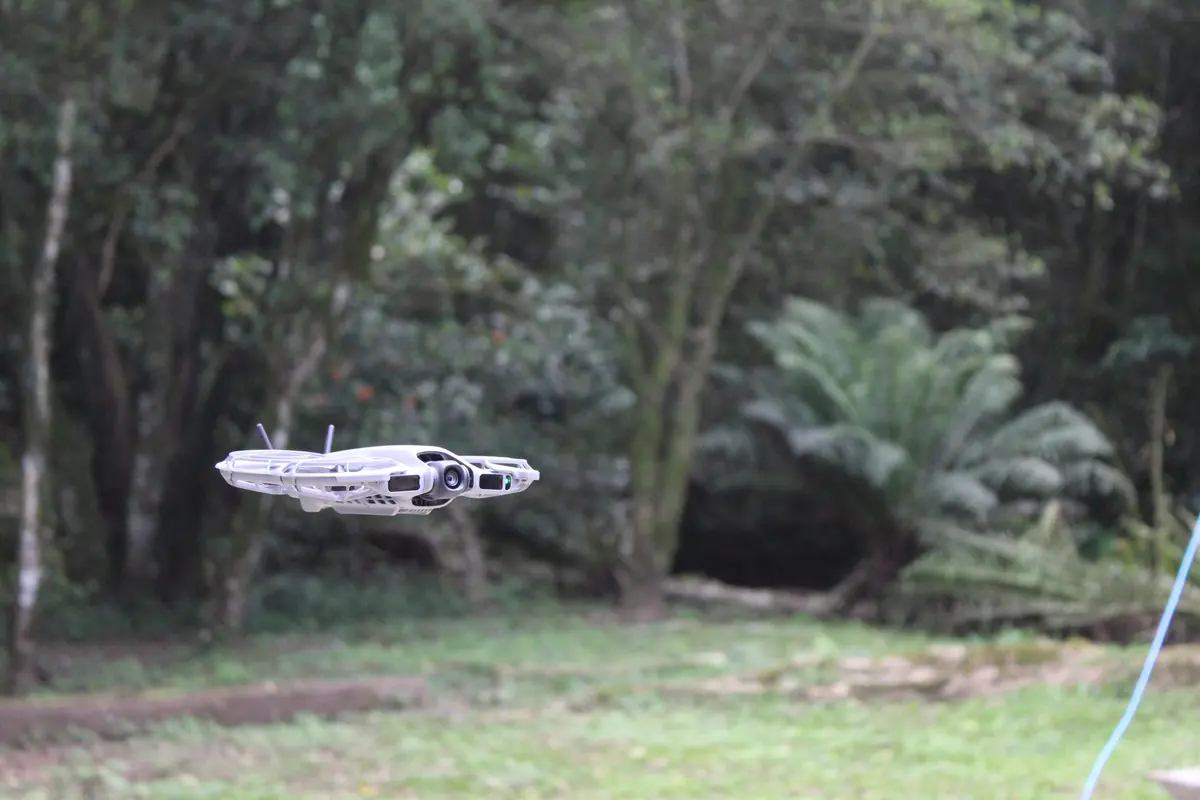
How does a drone help teams understand an affected area?
In this series of Project Journals, we present the technologies we are investigating as part of a toolkit for rapid response to incidents and climate disasters. In the previous journal, we talked about how to check whether two points of a Wi-Fi network can see each other. In this journal, we go up a little: we talk about the drone we use to look at the territory from above before deciding where to set up communication.
November 12, 2026
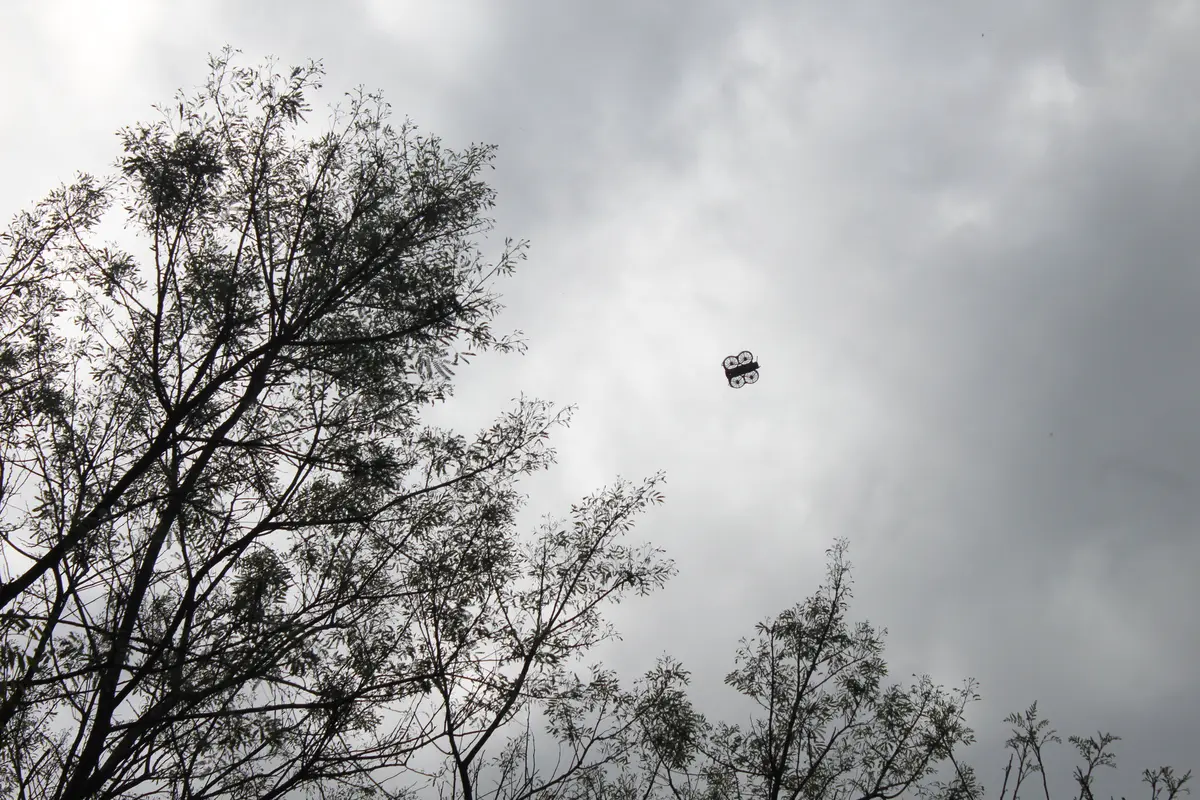
Situational awareness: how do teams understand the territory in a climate disaster?
In this series of Project Journals, we present the technologies we are investigating as part of a toolkit for rapid response to incidents and climate disasters. In several journals, the same idea came up in passing: that communication helps the team understand together what is happening. In the journal on line of sight, we promised to come back to it. This journal is dedicated to that idea, which has a name: situational awareness.
November 12, 2026
Responsible listening in climate disasters: what the law allows and what an SDR radio adds
Why listening to the radio helps to understand the situation in a climate disaster, what may be listened to and passed on in Brazil and how an SDR radio works
November 16, 2026
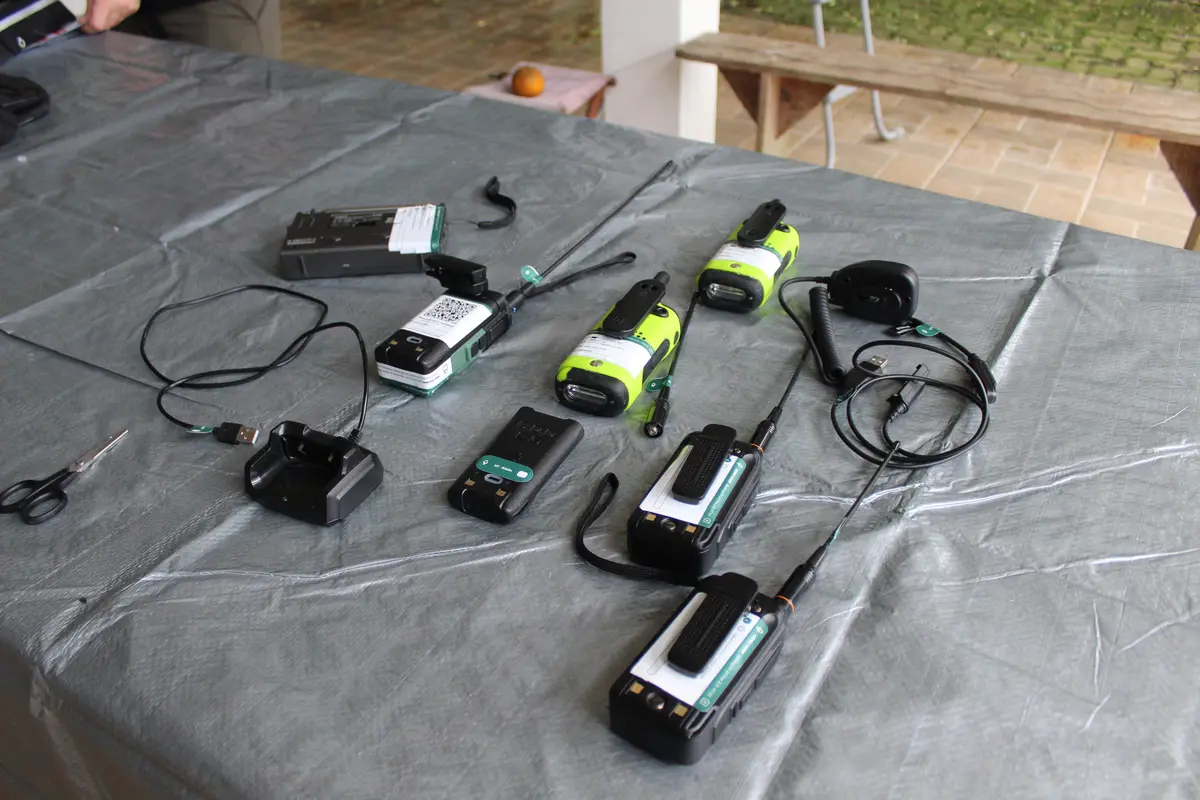
How does listening to the radio help teams understand a climate disaster?
In this series of Project Journals, we present the technologies we are investigating as part of a toolkit for rapid response to incidents and climate disasters. In the journal on radio, we promised to talk about three topics: off-grid communication, situational awareness and SIGINT. The first two have already come out. This journal closes the series, but with a different focus from what the name promised: instead of signals intelligence, we talk about responsible listening.
November 16, 2026