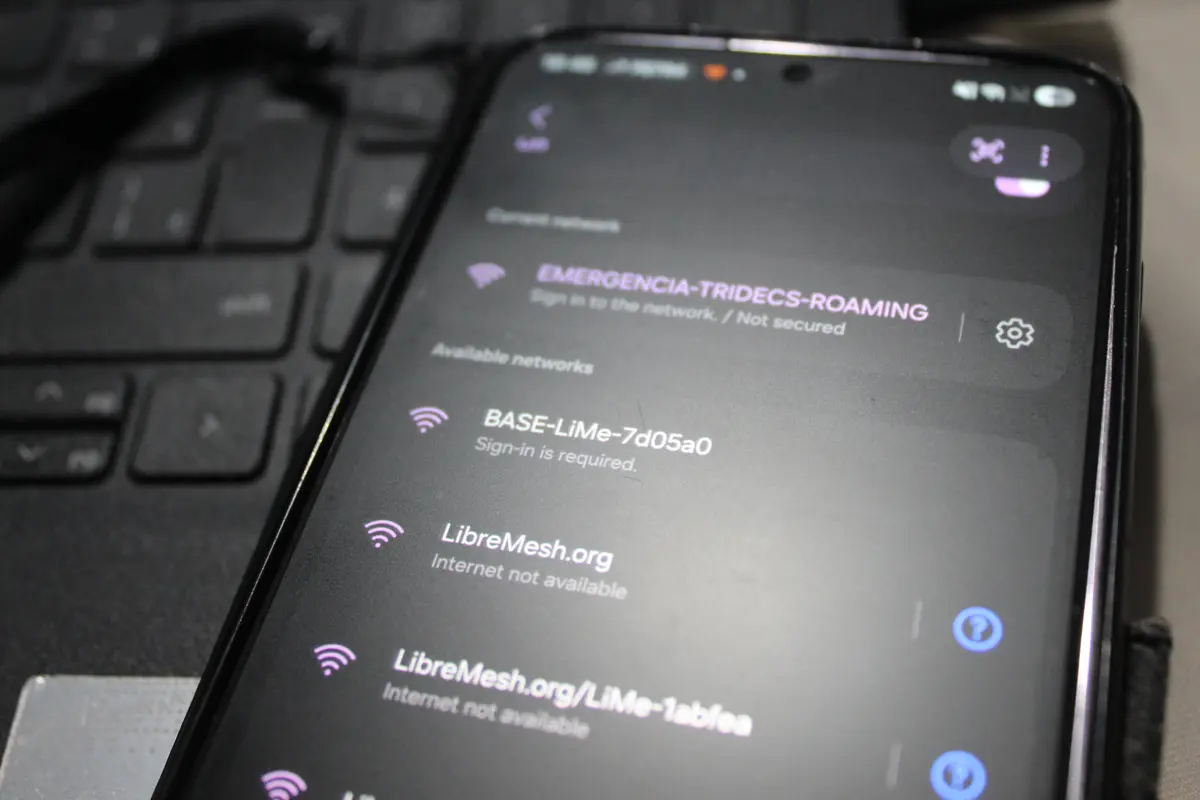
Roaming during the floods: the rule that reconnected thousands of phones in RS
We rarely think about our mobile carrier in everyday life. It ensures that calls go through and messages arrive, and it tends to go unnoticed until the moment the signal disappears. In a climate disaster situation, that failure starts to compromise people’s ability to ask for help. While mapping the communication technologies and responses mobilized during the 2024 floods in Rio Grande do Sul, we stayed in contact with Anatel in the state, which followed the crisis closely and helped us understand how the networks behaved throughout the climate disaster. It was in that conversation that we came across a mechanism rarely discussed when it comes to resilience, even though it was decisive in that context: the opening of roaming between carriers.
August 3, 2026
When networks fail, what sustains communication?
When we think about communication during a climate disaster, it’s common to picture antennas, cables, and cell phone signal. That’s where we started our investigation at Tridecs into how people communicate when floods and fires interrupt everyday networks. Throughout the interviews with organizations, communities, and groups that worked on the front lines of the Rio Grande do Sul floods and the Maranhão fires, another layer gradually came into focus, less visible but just as decisive: the structure that already exists in the territory and that, when the signal drops, takes over sustaining the flow of information.
August 5, 2026