Welcome!
How can we ensure communication in emergency situations caused by climate disasters and incidents? This is the question driving the project Technologies for Rapid Response to Climate Incidents and Disasters – Tridecs, developed by Nupef with support from the Digital Access Programme of the Embassy of the United Kingdom in Brazil. Here on the Field Diary, we’ll share the behind-the-scenes of this journey: research processes, technology testing, challenges encountered along the way, collective learnings, team reflections, and records of the experiences developed in the territories.
May 2, 2025
Strategies for a good interview!
At first glance, conducting an interview may seem simple: it’s “just” asking questions to an expert and writing down the answers. Done, task complete, cross it off the to-do list! But for us, nothing is “just” anything: an activity unfolds through many steps before it can be carried out. First, defining the profiles of the people to be interviewed, discussing with the team to establish the question guide, having the technical tools and basic knowledge for the conversation, deciding who will ask the questions and how many people we want to interview, among other points. Then, getting these people’s contact information and scheduling a time – and perhaps having to reschedule due to unforeseen circumstances.
May 2, 2025
How is the identity of a project born?
Before it was named, before it had a logo, stickers, social media posts, or a hotsite, a lot happened behind the scenes in the birth of Tridecs. The construction of the project’s visual identity and communication grew out of a collective process within Nupef, involving different members of the team in an Internal Communication Workshop held in August 2025. More than thinking about “a brand,” the idea was to build a language capable of translating what the project proposes: rapid responses in climate emergency contexts, accessible technologies, resilient connectivity, and territorial engagement.
June 2, 2026
How to compare technologies in Climate Crisis scenarios?
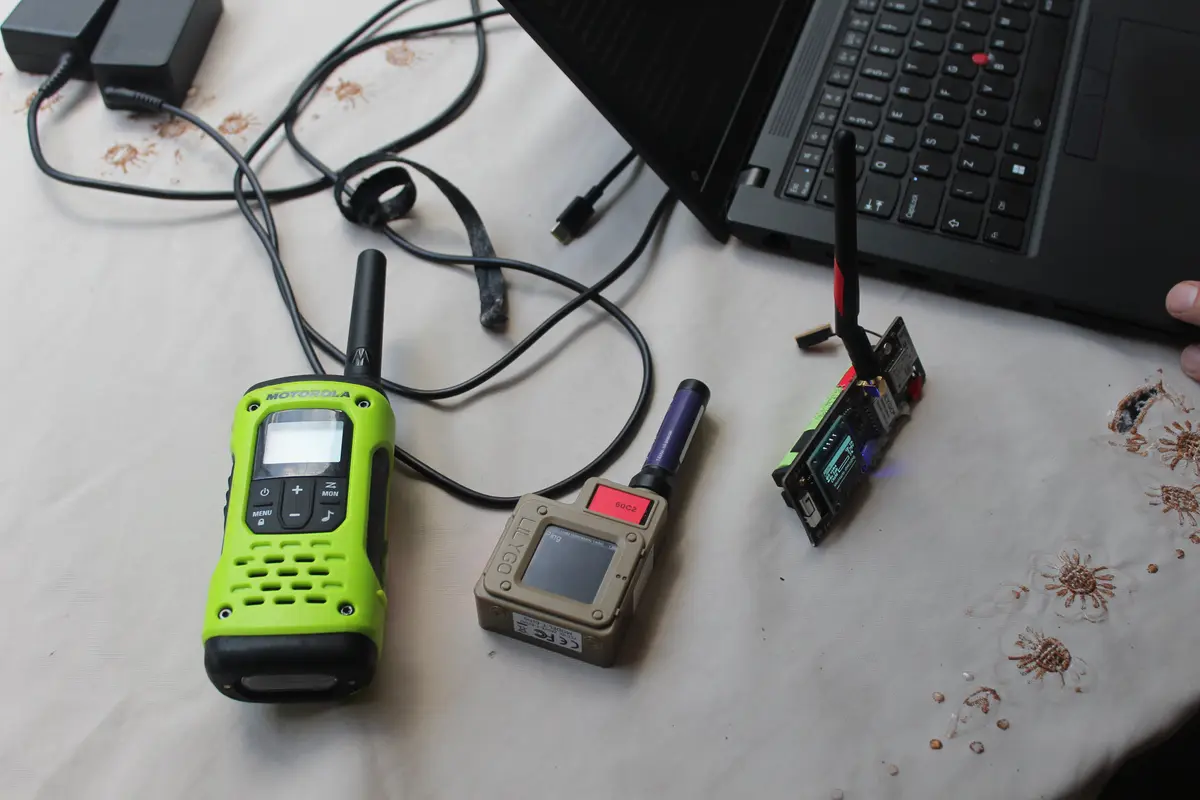
How can we keep communication active when the networks we use daily stop working? This was one of the questions that guided the beginning of our research in the Tridecs project. Faced with the impacts that extreme climate events can have on communication infrastructure, we wanted to identify which technologies were already being used in emergency and climate disaster situations. To do this, we began a benchmarking reference study aimed at mapping communication solutions used in different contexts around the world.
June 11, 2026
Roaming during the floods: the rule that reconnected thousands of phones in RS
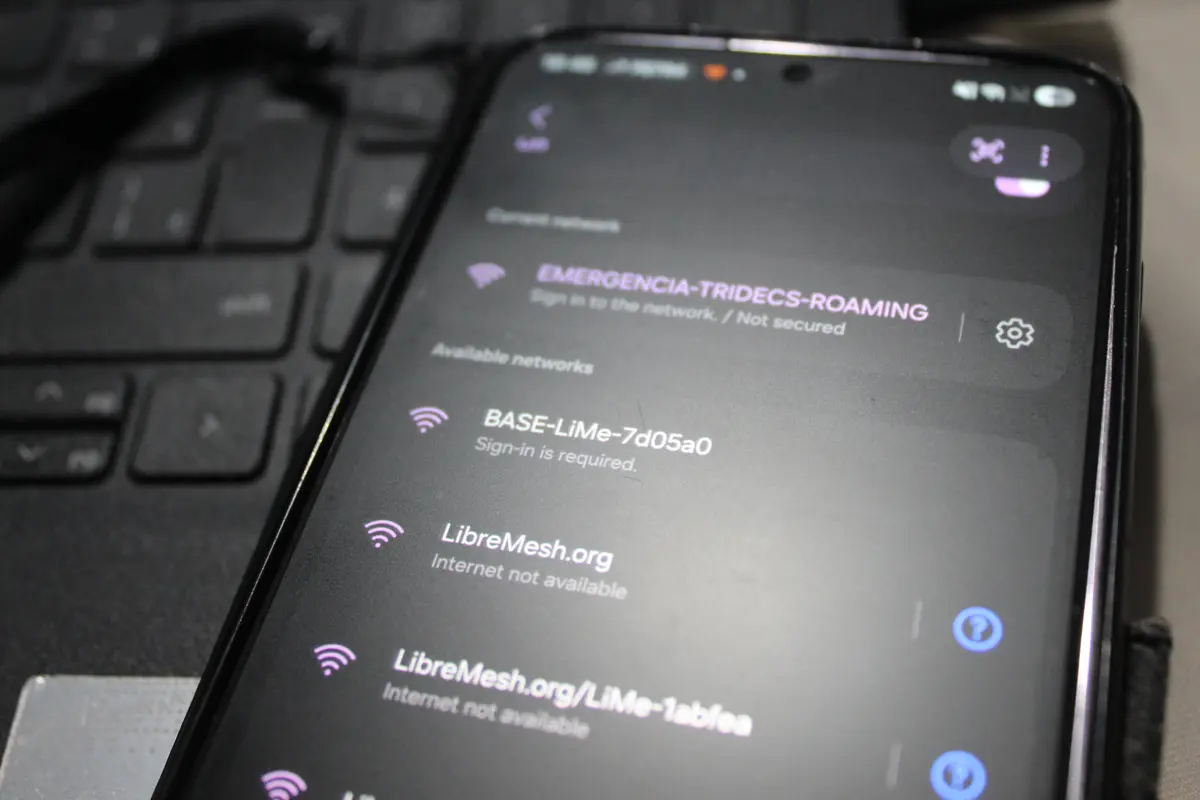
We rarely think about our mobile carrier in everyday life. It ensures that calls go through and messages arrive, and it tends to go unnoticed until the moment the signal disappears. In a climate disaster situation, that failure starts to compromise people’s ability to ask for help. While mapping the communication technologies and responses mobilized during the 2024 floods in Rio Grande do Sul, we stayed in contact with Anatel in the state, which followed the crisis closely and helped us understand how the networks behaved throughout the climate disaster. It was in that conversation that we came across a mechanism rarely discussed when it comes to resilience, even though it was decisive in that context: the opening of roaming between carriers.
August 3, 2026
When networks fail, what sustains communication?
When we think about communication during a climate disaster, it’s common to picture antennas, cables, and cell phone signal. That’s where we started our investigation at Tridecs into how people communicate when floods and fires interrupt everyday networks. Throughout the interviews with organizations, communities, and groups that worked on the front lines of the Rio Grande do Sul floods and the Maranhão fires, another layer gradually came into focus, less visible but just as decisive: the structure that already exists in the territory and that, when the signal drops, takes over sustaining the flow of information.
August 5, 2026