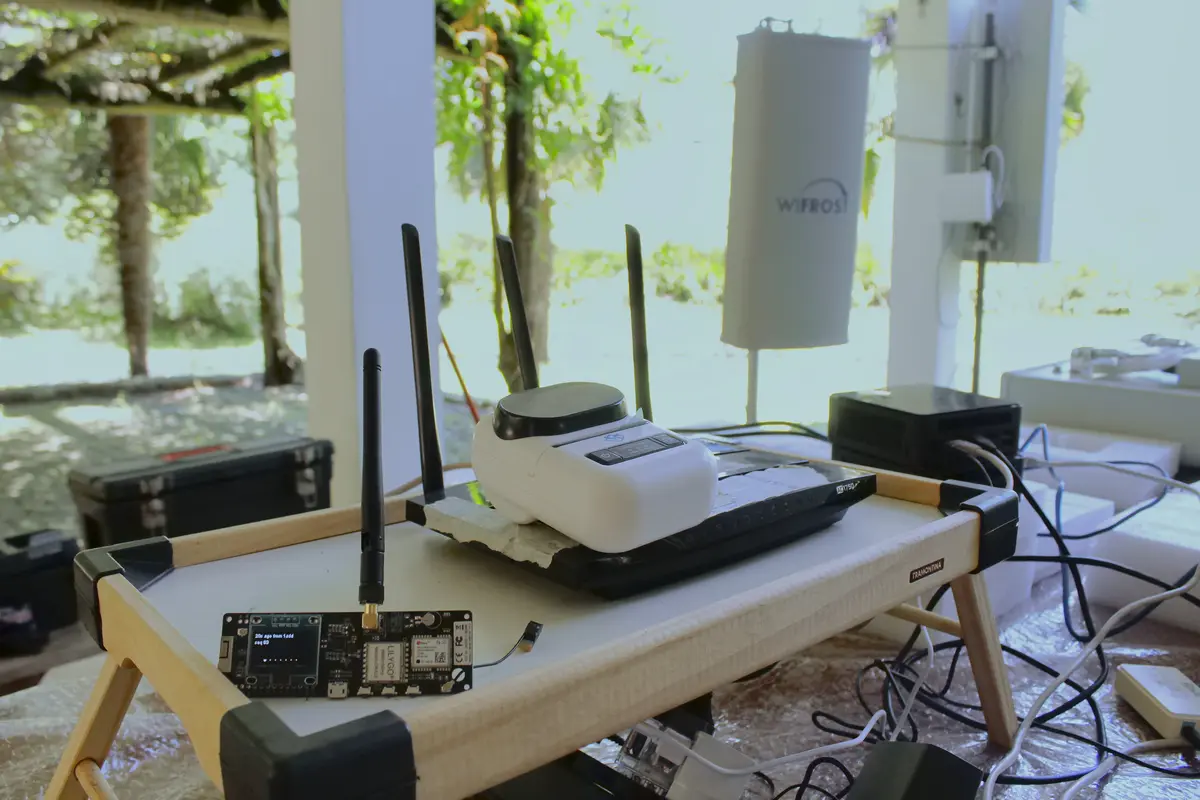
What makes a technology advance to field testing?
In “How to compare technologies in Climate Crisis scenarios?”, we described how we organized our technology comparison process. Faced with such different solutions, we created technical sheets structured around nine points of analysis that were important for understanding, for example, that in a climate disaster scenario, characteristics normally valued in a technology are not always the most relevant. In many cases, a solution with lower transmission capacity can be more useful than a more sophisticated one, as long as it keeps working when power, connectivity, and infrastructure are no longer available.
June 12, 2026
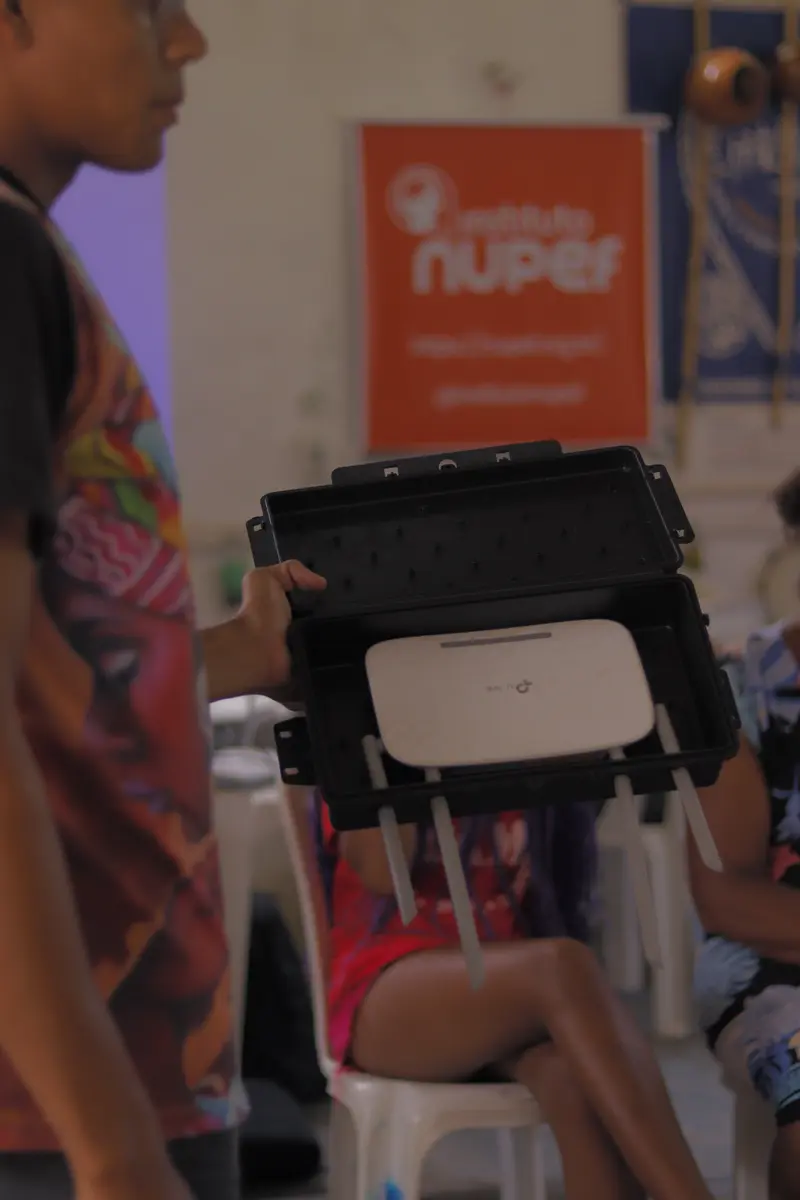
Wi-Fi, community networks and communication in emergency situations
Throughout this series of Project Diaries, we will present the technologies we are investigating as part of a toolkit for rapid response to incidents and climate disasters. Our goal is not only to explain how these technologies work, but to understand how they can strengthen communication in critical moments, especially in territories where telecommunications infrastructure may have been disrupted by floods, landslides or wildfires. When does communication become a matter of protecting life? What happens to communication when a flood cuts off the power supply, damages infrastructure and isolates communities?
June 26, 2026
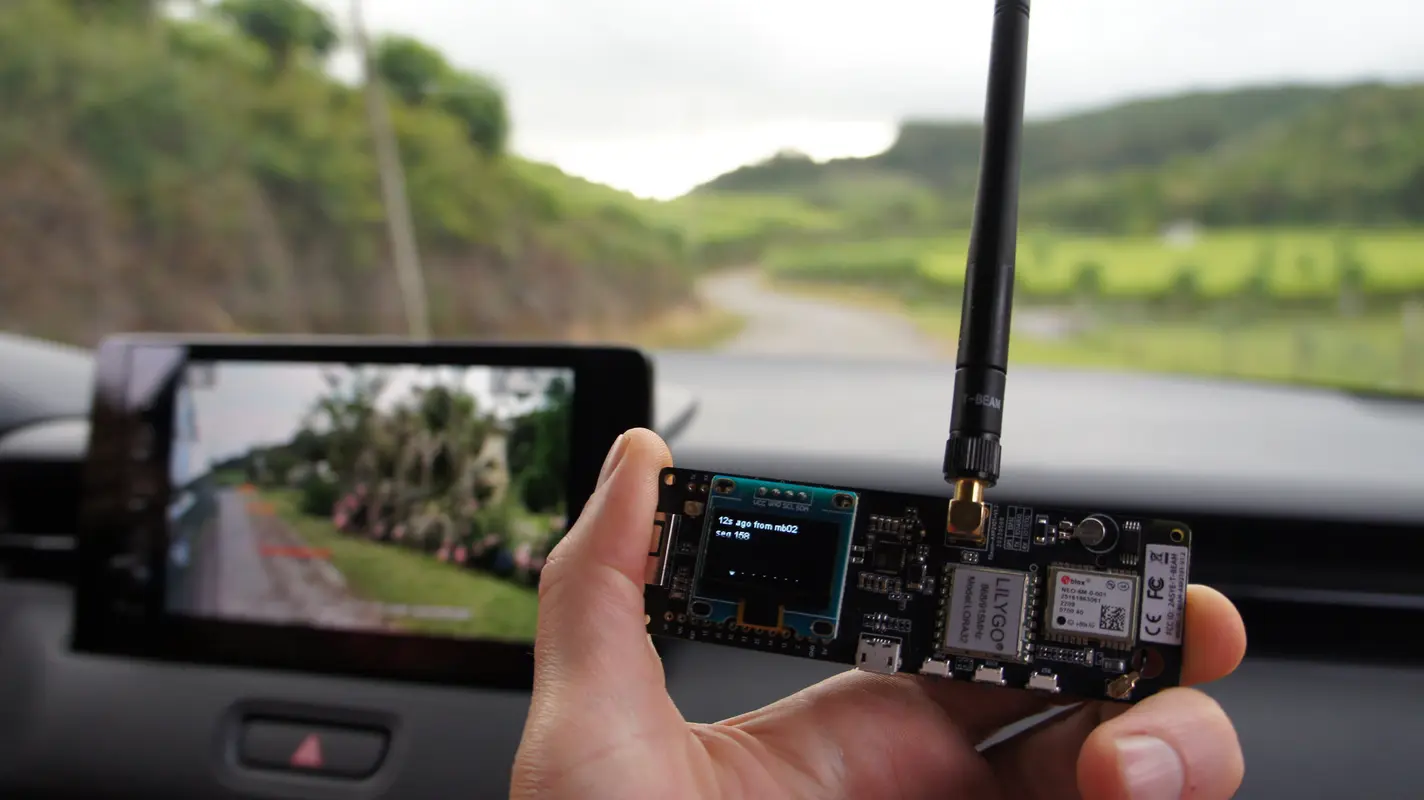
LoRa, Meshtastic and communication in emergency situations
In this series of Project Journals, we present the technologies we are investigating as part of a toolkit for rapid response to incidents and climate disasters. In the previous journal, we talked about Wi-Fi and how local wireless networks can support communication when conventional telecommunications infrastructure stops working. In this journal, we move on to a technology with different characteristics: LoRa and the Meshtastic project, which uses this technology to form messaging networks capable of operating without depending on the internet, mobile phone towers, or a continuous supply of grid power.
August 26, 2026
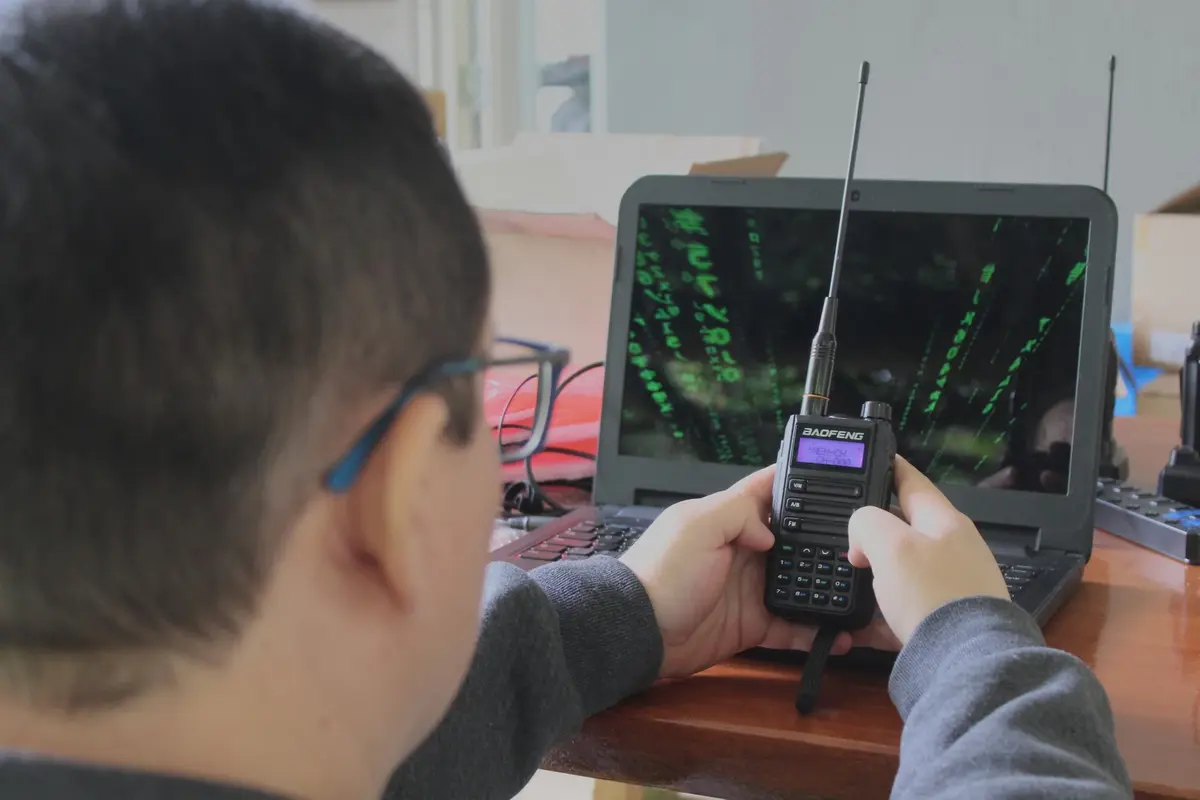
Radio in emergencies: HT, CB, and amateur radio at Tridecs
In this series of Project Journals, we present the technologies we are investigating as part of a toolkit for rapid response to incidents and climate disasters. In the previous journal, we talked about LoRa and Meshtastic, and how small messages can travel through a radio mesh without depending on the internet or mobile phone towers. In this journal, we return to an older, and for that very reason more battle-tested, technology: voice radio, in its three forms of use in Brazil — unlicensed, CB, and amateur radio.
October 6, 2026
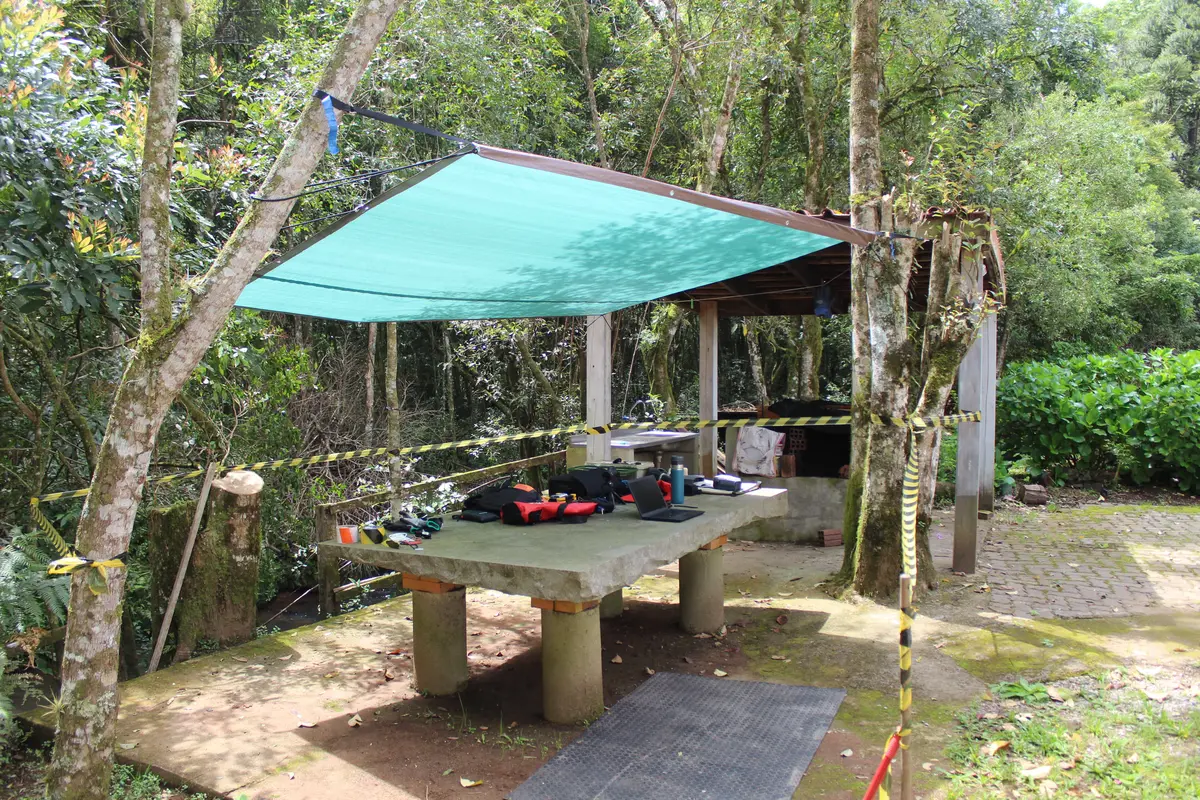
What should you take to the field when communication goes down? The kit we tested in Rio Grande do Sul
In this series of Project Journals, we present the technologies we are investigating as part of a toolkit for rapid response to incidents and climate disasters. In an earlier journal, we explained how we chose the technologies that would go on to the field tests. In October 2026, we took these technologies to a smallholding in Garibaldi, in the Serra Gaúcha. This journal tells what we packed and what we wanted to find out with each item. In the following journals, we tell what the field showed.
November 9, 2026
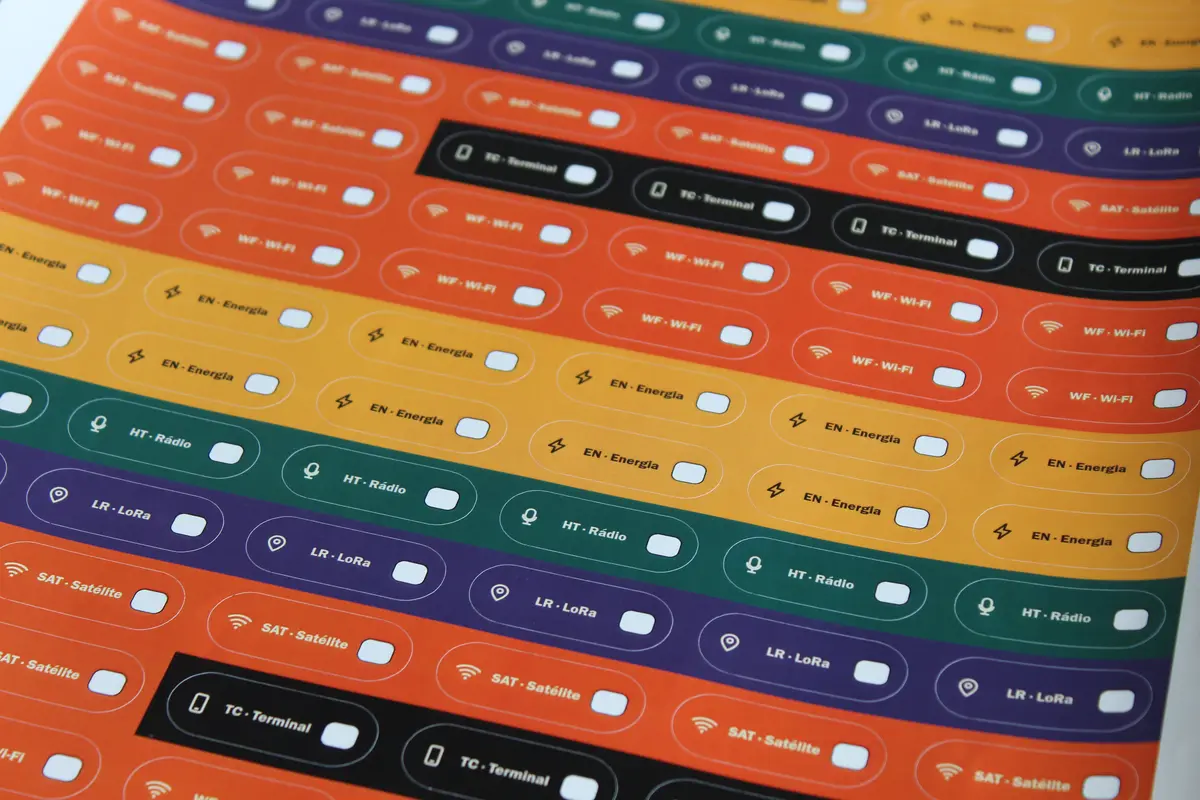
How do you make a kit that anyone can use? Colours, icons and codes on the equipment
In this series of Project Journals, we present the technologies we are investigating as part of a toolkit for rapid response to incidents and climate disasters. In the previous journal, we told what we took to the field in Rio Grande do Sul. A kit with dozens of pieces of equipment brings a problem that does not show up on the workbench: the people who will use it are not always the people who put it together. This journal tells how we tried to solve this with colours, icons and codes stuck on each item.
November 9, 2026