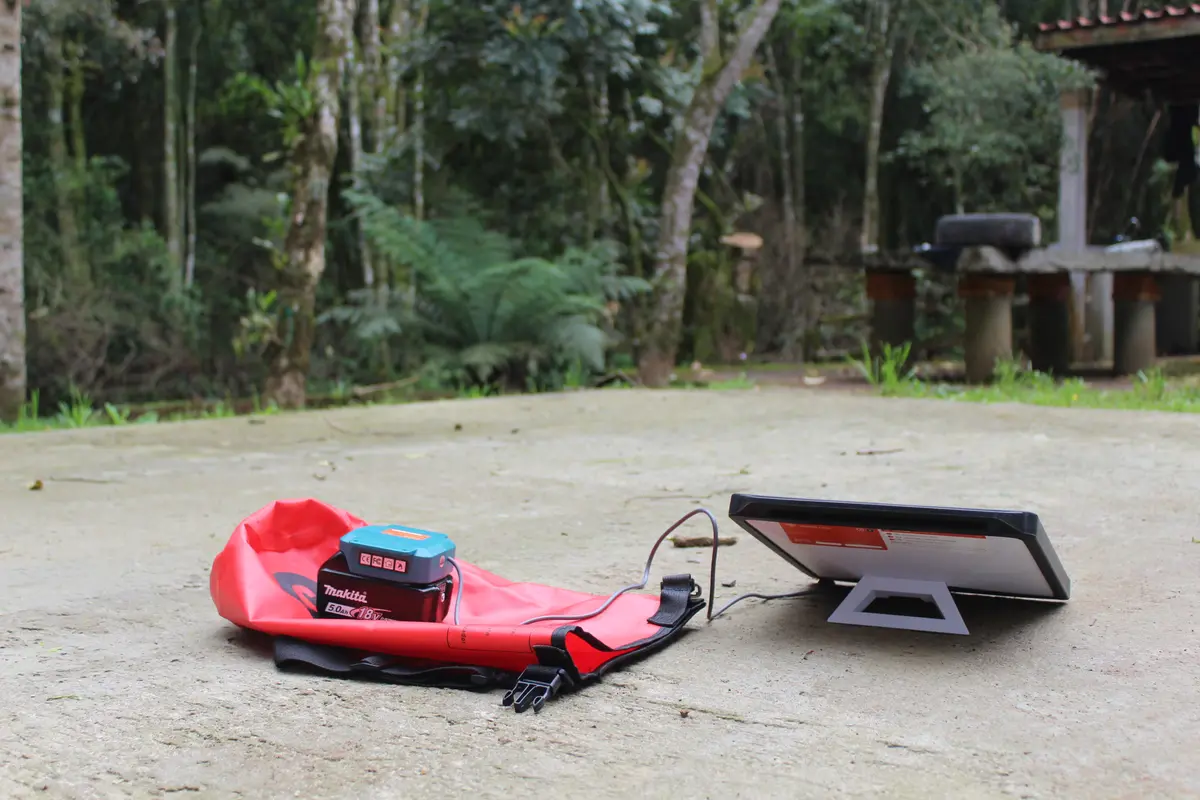
How do you take internet to an area with no signal? A test with a low Earth orbit satellite
In this series of Project Journals, we present the technologies we are investigating as part of a toolkit for rapid response to incidents and climate disasters. In the journal on the drone, we saw how to look at the territory from above. In this journal, we look up for another reason: to find, in the sky, the internet that disappears when the mobile phone masts go down. Why look for internet in the sky? In a flood, the water knocks out the power and the mobile phone masts stop working. In a landslide, the earth breaks the internet cables that run along the road. In a windstorm, mobile phone towers can fall. In a fire, the flames burn poles and cables. In all these cases, the team that arrives to help is cut off from the outside world. It can talk to people nearby by radio, but not to the response coordination, the humanitarian aid organisations or the support networks that are far away.
November 13, 2026
What the captive portal needs to tell the people who connect
Why the first page of the emergency network matters, what it needs to say and what should not appear on it
November 13, 2026
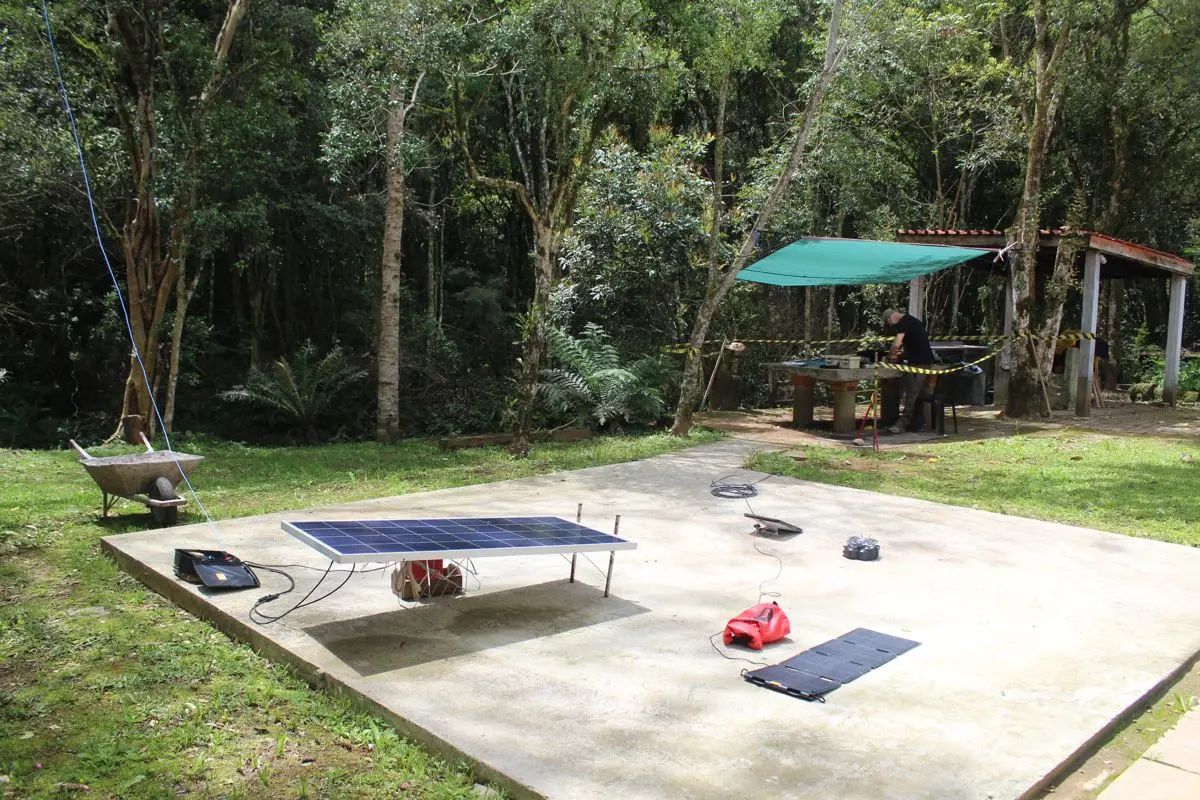
Off-grid communication: how do you keep the response running when power and the internet go down?
In this series of Project Journals, we present the technologies we are investigating as part of a toolkit for rapid response to incidents and climate disasters. In the journal on satellite internet, we saw that the antenna only stayed on with some power sources. In this journal, we look at what supports every piece of the kit: power. What happens when everything goes down at once? In a flood, the power grid is usually the first thing to go down. Soon after, the mobile phone masts run out of power or are hit by the water. In a landslide, poles slide down together with the slope. In a windstorm, trees fall onto the wires and whole neighbourhoods are left in the dark for days. In a fire, the grid may be switched off on purpose to prevent new outbreaks. Those who arrive to help find a territory that is dark and silent.
November 13, 2026
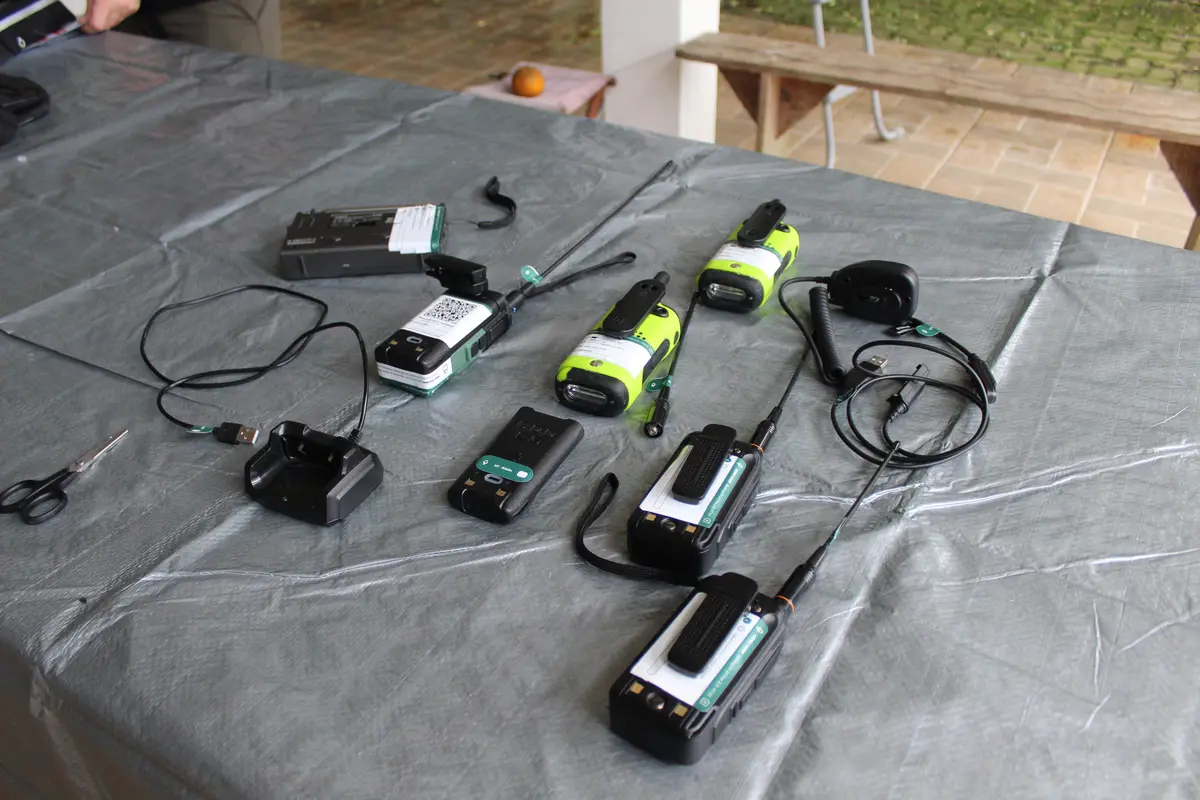
How does listening to the radio help teams understand a climate disaster?
In this series of Project Journals, we present the technologies we are investigating as part of a toolkit for rapid response to incidents and climate disasters. In the journal on radio, we promised to talk about three topics: off-grid communication, situational awareness and SIGINT. The first two have already come out. This journal closes the series, but with a different focus from what the name promised: instead of signals intelligence, we talk about responsible listening.
November 16, 2026