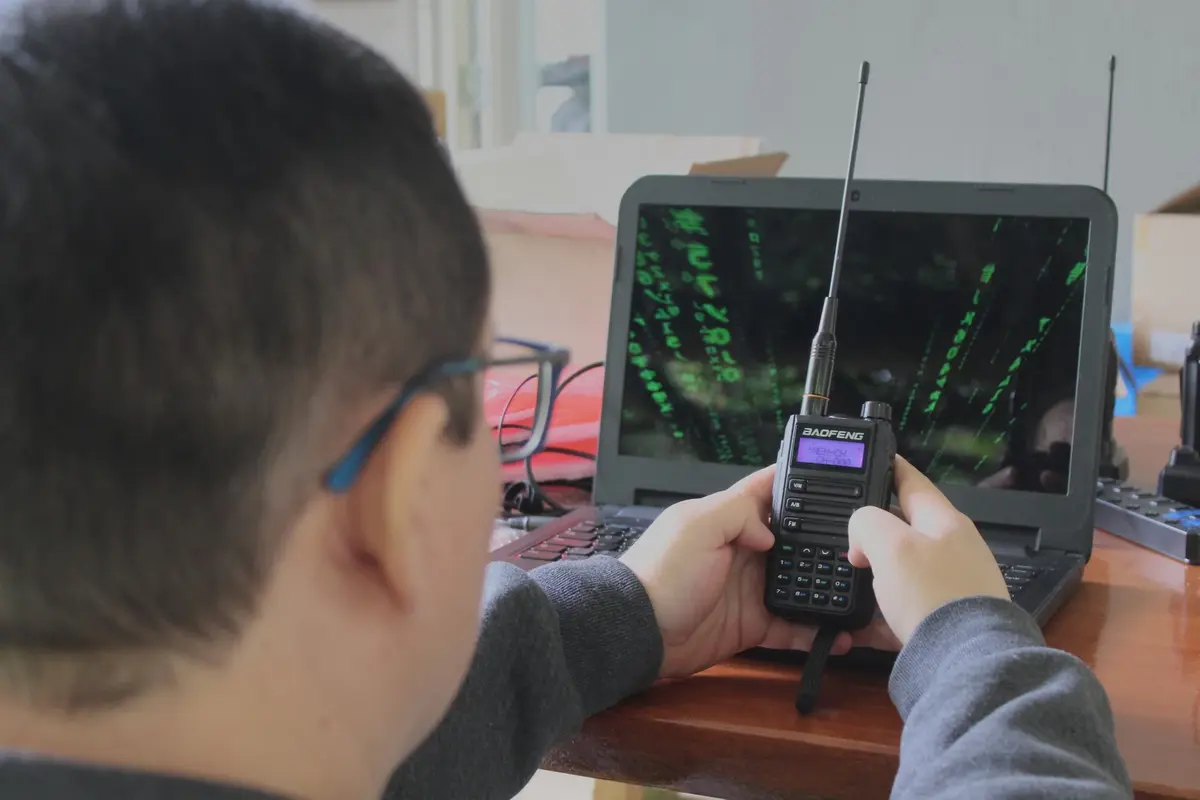
Radio in emergencies: HT, CB, and amateur radio at Tridecs
In this series of Project Journals, we present the technologies we are investigating as part of a toolkit for rapid response to incidents and climate disasters. In the previous journal, we talked about LoRa and Meshtastic, and how small messages can travel through a radio mesh without depending on the internet or mobile phone towers. In this journal, we return to an older, and for that very reason more battle-tested, technology: voice radio, in its three forms of use in Brazil — unlicensed, CB, and amateur radio.
October 6, 2026
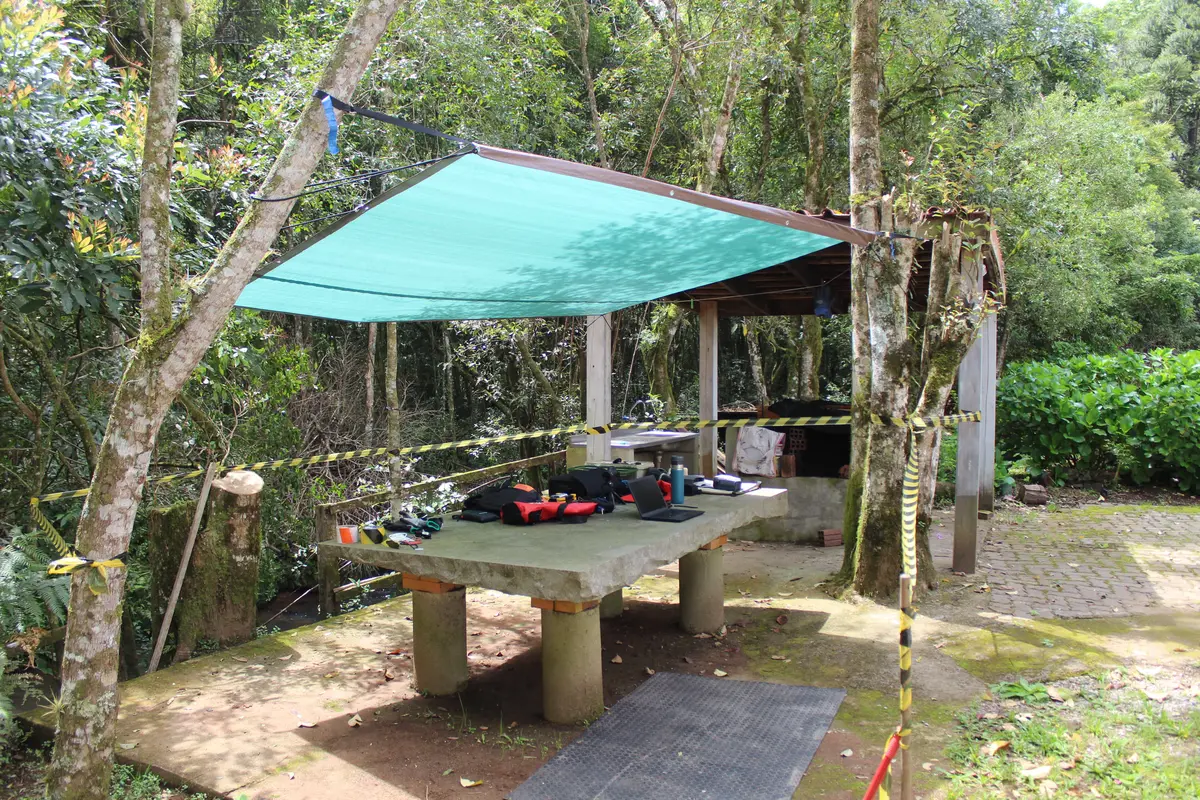
What should you take to the field when communication goes down? The kit we tested in Rio Grande do Sul
In this series of Project Journals, we present the technologies we are investigating as part of a toolkit for rapid response to incidents and climate disasters. In an earlier journal, we explained how we chose the technologies that would go on to the field tests. In October 2026, we took these technologies to a smallholding in Garibaldi, in the Serra Gaúcha. This journal tells what we packed and what we wanted to find out with each item. In the following journals, we tell what the field showed.
November 9, 2026
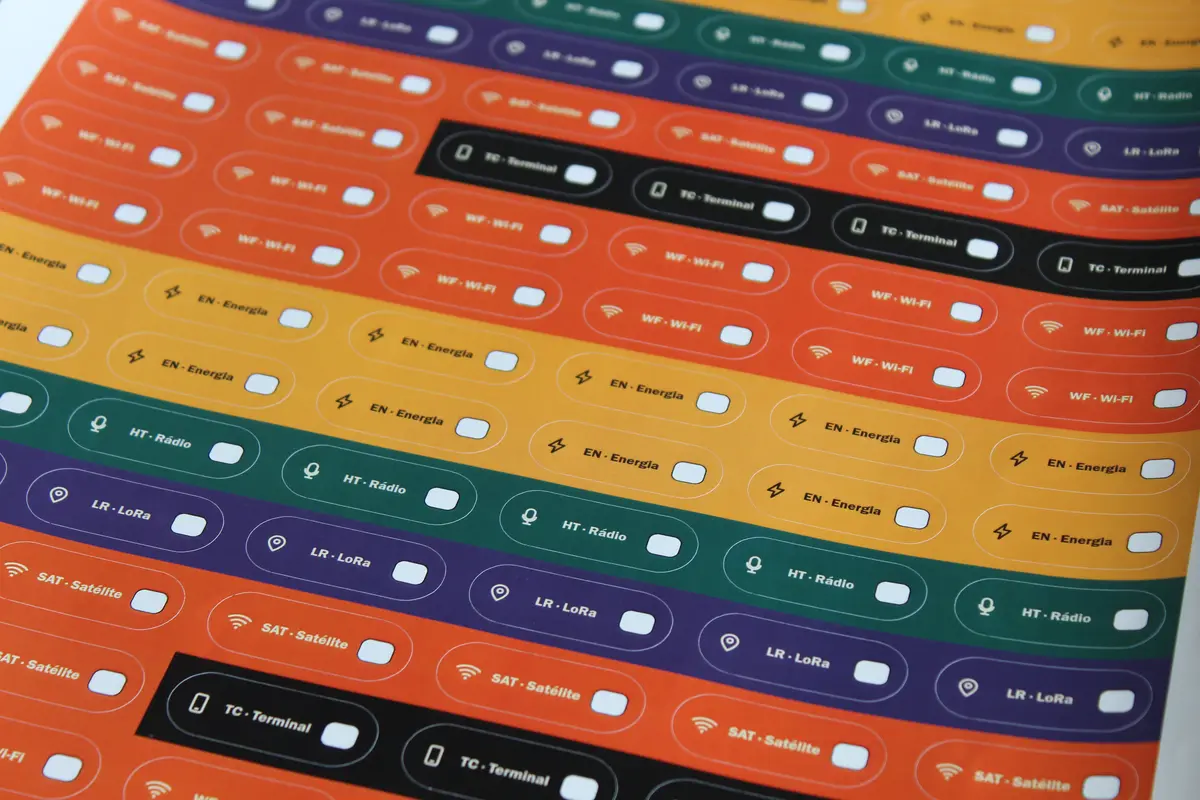
How do you make a kit that anyone can use? Colours, icons and codes on the equipment
In this series of Project Journals, we present the technologies we are investigating as part of a toolkit for rapid response to incidents and climate disasters. In the previous journal, we told what we took to the field in Rio Grande do Sul. A kit with dozens of pieces of equipment brings a problem that does not show up on the workbench: the people who will use it are not always the people who put it together. This journal tells how we tried to solve this with colours, icons and codes stuck on each item.
November 9, 2026
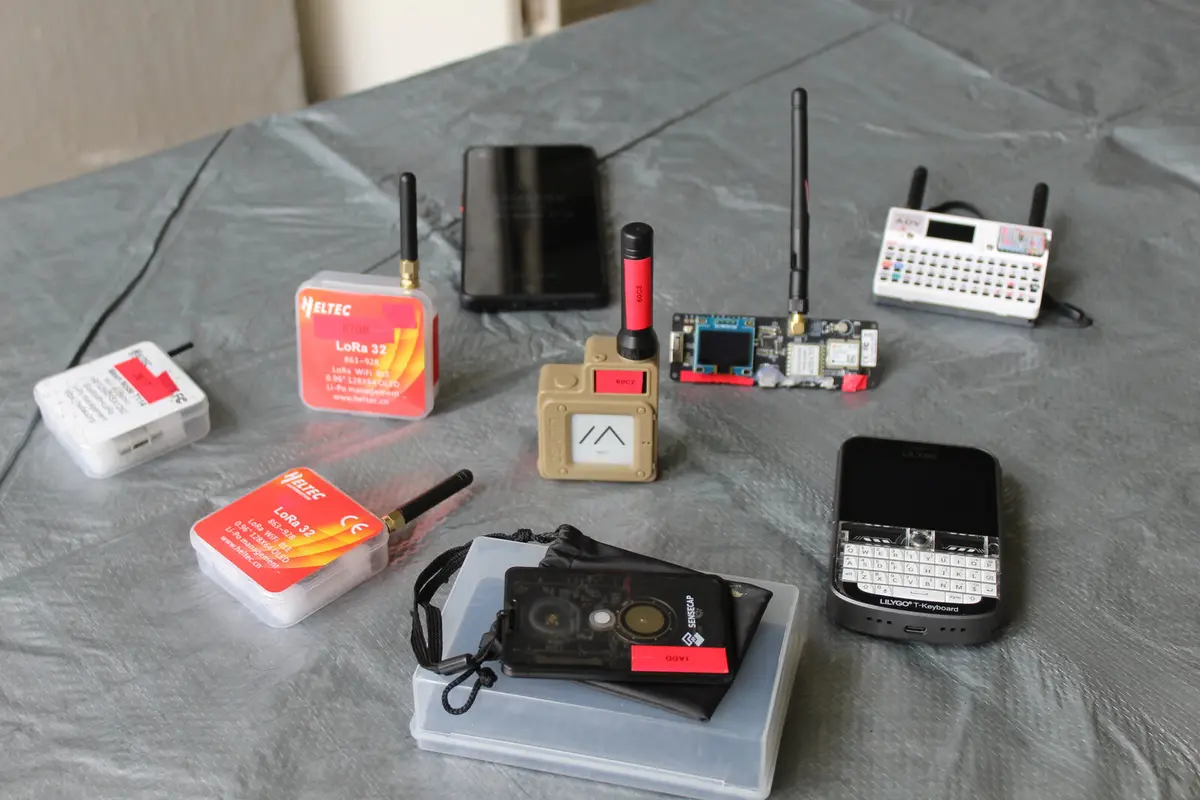
How can the base stay in touch with teams in the field? A test with Meshtastic
In this series of Project Journals, we present the technologies we are investigating as part of a toolkit for rapid response to incidents and climate disasters. In an earlier journal, we explained what LoRa and the Meshtastic project are. Then we told you what we took into the field in Rio Grande do Sul. In this journal, we show what happened when the team moved away from the Base and tried to keep in touch through text messages.
November 10, 2026
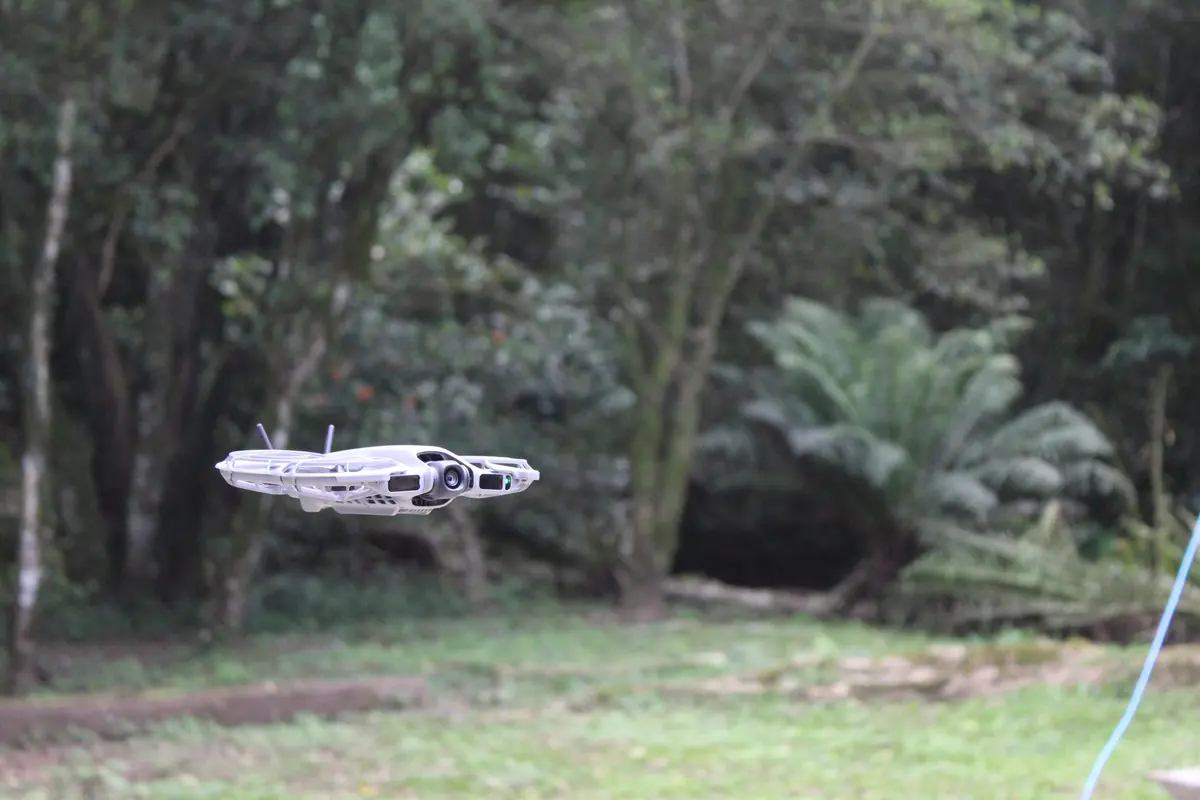
How does a drone help teams understand an affected area?
In this series of Project Journals, we present the technologies we are investigating as part of a toolkit for rapid response to incidents and climate disasters. In the previous journal, we talked about how to check whether two points of a Wi-Fi network can see each other. In this journal, we go up a little: we talk about the drone we use to look at the territory from above before deciding where to set up communication.
November 12, 2026
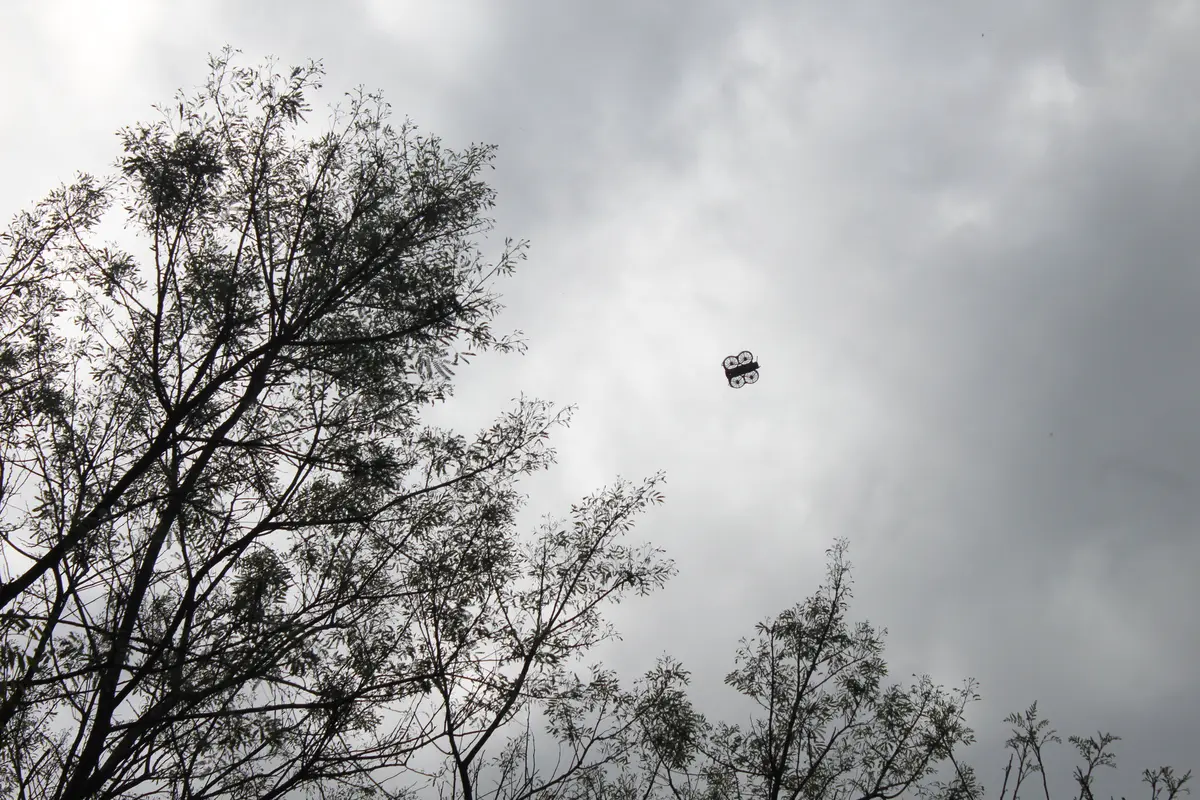
Situational awareness: how do teams understand the territory in a climate disaster?
In this series of Project Journals, we present the technologies we are investigating as part of a toolkit for rapid response to incidents and climate disasters. In several journals, the same idea came up in passing: that communication helps the team understand together what is happening. In the journal on line of sight, we promised to come back to it. This journal is dedicated to that idea, which has a name: situational awareness.
November 12, 2026