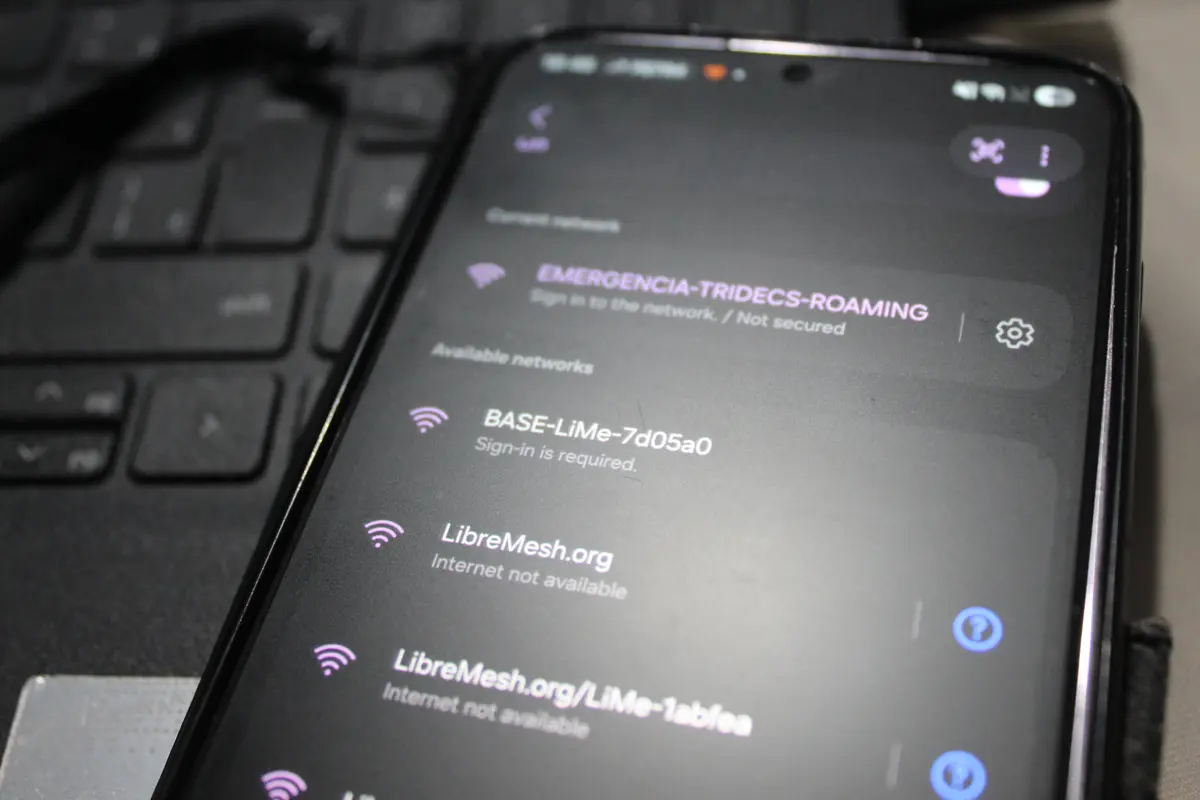
Roaming during the floods: the rule that reconnected thousands of phones in RS
We rarely think about our mobile carrier in everyday life. It ensures that calls go through and messages arrive, and it tends to go unnoticed until the moment the signal disappears. In a climate disaster situation, that failure starts to compromise people’s ability to ask for help. While mapping the communication technologies and responses mobilized during the 2024 floods in Rio Grande do Sul, we stayed in contact with Anatel in the state, which followed the crisis closely and helped us understand how the networks behaved throughout the climate disaster. It was in that conversation that we came across a mechanism rarely discussed when it comes to resilience, even though it was decisive in that context: the opening of roaming between carriers.
August 3, 2026
When networks fail, what sustains communication?
When we think about communication during a climate disaster, it’s common to picture antennas, cables, and cell phone signal. That’s where we started our investigation at Tridecs into how people communicate when floods and fires interrupt everyday networks. Throughout the interviews with organizations, communities, and groups that worked on the front lines of the Rio Grande do Sul floods and the Maranhão fires, another layer gradually came into focus, less visible but just as decisive: the structure that already exists in the territory and that, when the signal drops, takes over sustaining the flow of information.
August 5, 2026
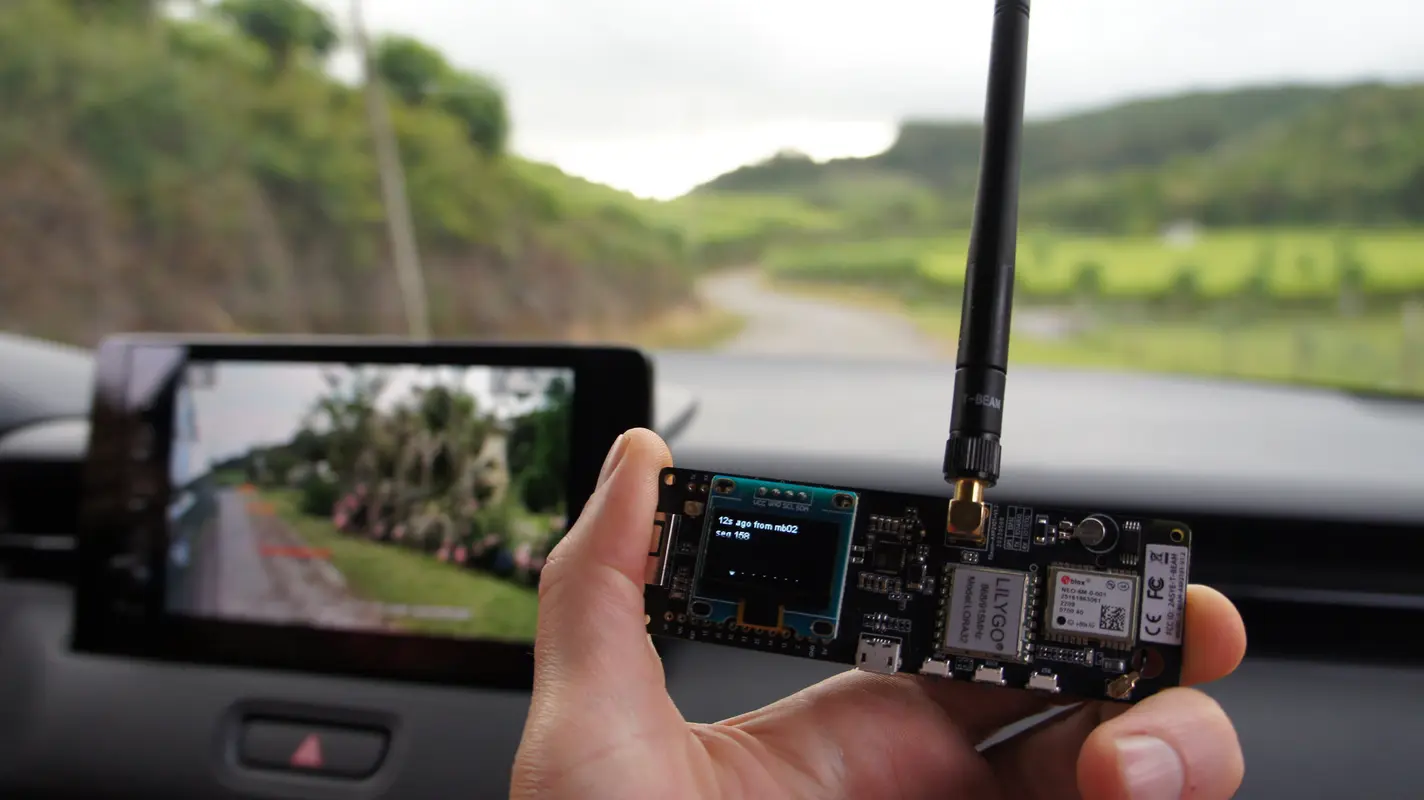
LoRa, Meshtastic and communication in emergency situations
In this series of Project Journals, we present the technologies we are investigating as part of a toolkit for rapid response to incidents and climate disasters. In the previous journal, we talked about Wi-Fi and how local wireless networks can support communication when conventional telecommunications infrastructure stops working. In this journal, we move on to a technology with different characteristics: LoRa and the Meshtastic project, which uses this technology to form messaging networks capable of operating without depending on the internet, mobile phone towers, or a continuous supply of grid power.
August 26, 2026
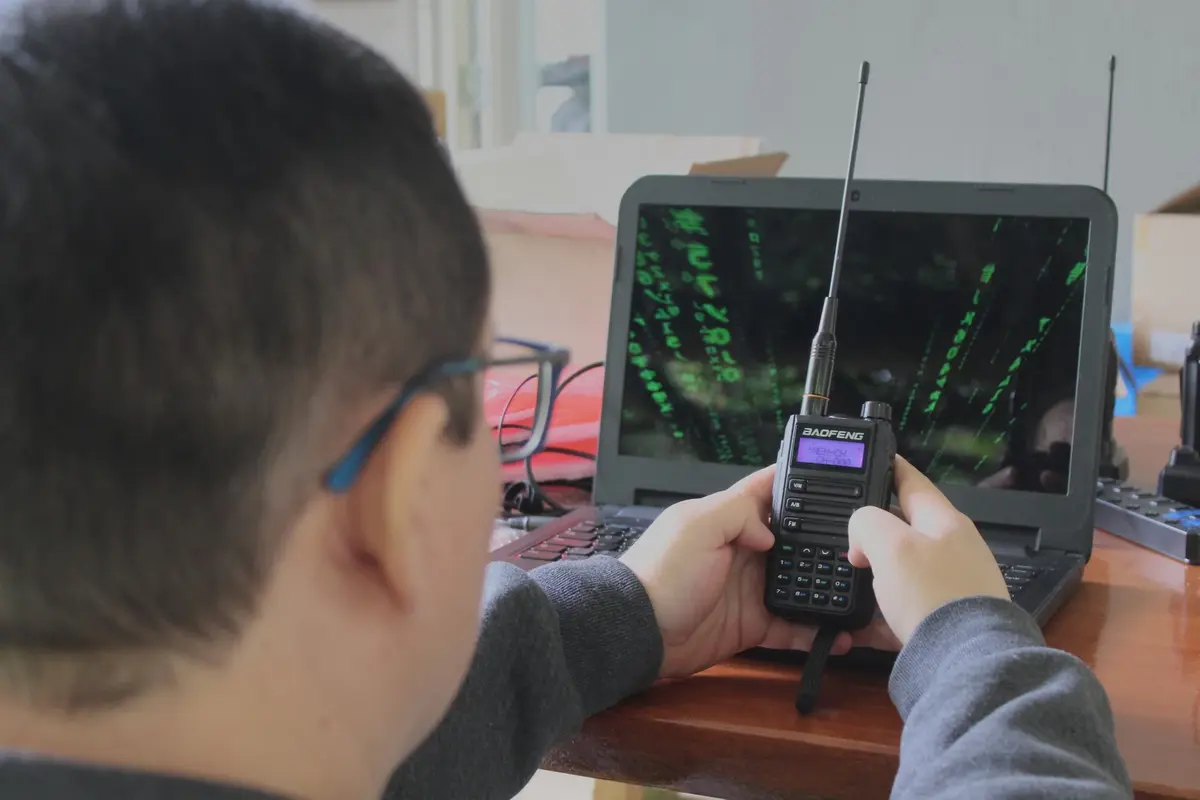
Radio in emergencies: HT, CB, and amateur radio at Tridecs
In this series of Project Journals, we present the technologies we are investigating as part of a toolkit for rapid response to incidents and climate disasters. In the previous journal, we talked about LoRa and Meshtastic, and how small messages can travel through a radio mesh without depending on the internet or mobile phone towers. In this journal, we return to an older, and for that very reason more battle-tested, technology: voice radio, in its three forms of use in Brazil — unlicensed, CB, and amateur radio.
October 6, 2026
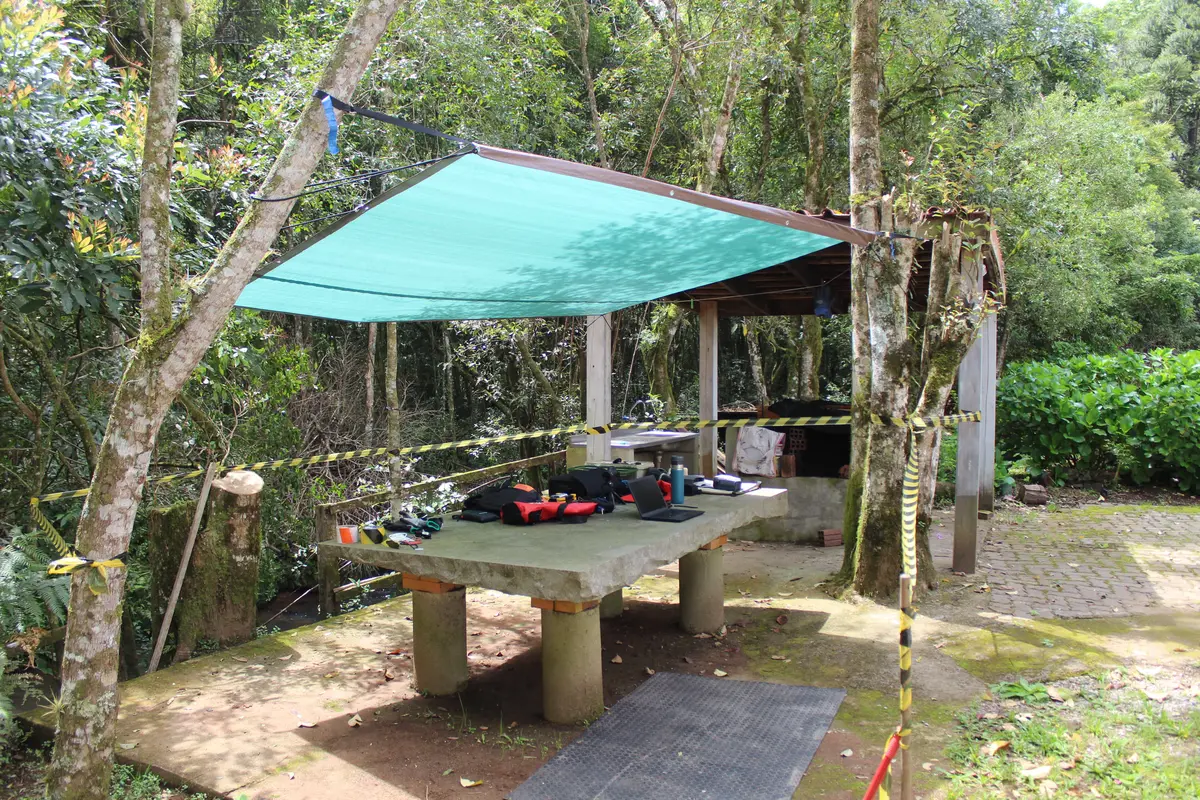
What should you take to the field when communication goes down? The kit we tested in Rio Grande do Sul
In this series of Project Journals, we present the technologies we are investigating as part of a toolkit for rapid response to incidents and climate disasters. In an earlier journal, we explained how we chose the technologies that would go on to the field tests. In October 2026, we took these technologies to a smallholding in Garibaldi, in the Serra Gaúcha. This journal tells what we packed and what we wanted to find out with each item. In the following journals, we tell what the field showed.
November 9, 2026
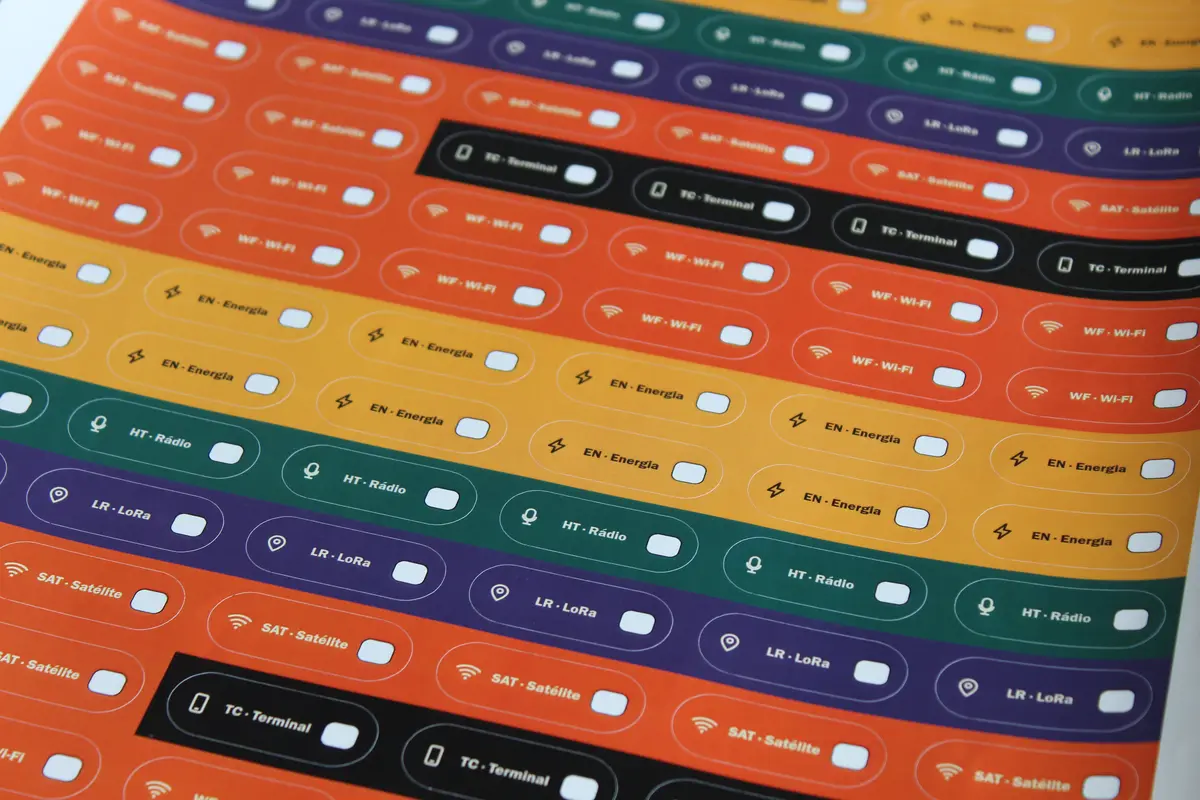
How do you make a kit that anyone can use? Colours, icons and codes on the equipment
In this series of Project Journals, we present the technologies we are investigating as part of a toolkit for rapid response to incidents and climate disasters. In the previous journal, we told what we took to the field in Rio Grande do Sul. A kit with dozens of pieces of equipment brings a problem that does not show up on the workbench: the people who will use it are not always the people who put it together. This journal tells how we tried to solve this with colours, icons and codes stuck on each item.
November 9, 2026